Conditions We Treat How It Works Team Patient Stories Locations See If We’re a Good Fit →

That gap in your abs that won't go away. It can be fixed.

Diastasis recti isn't just about how your stomach looks. It's a functional core issue, and it's treatable at any point after childbirth, months or years later, without surgery.

For postpartum bellies, and the gap exercise alone can’t close.
2,000+ women helped

160+ five-star reviews

2,000+ women helped

160+ five-star reviews, Vitality Pelvic Health

We Hear This Every Week

Sound familiar?

Diastasis recti shows up in a few very specific, very common ways.

“My stomach still looks pregnant, months or years after having my baby.”

The lingering "mom pooch"

“I notice doming down the middle when I do core exercises.”

The visible bulge during effort

“It feels like my abs are detached from each other.”

The disconnected feeling
Backed By Real Results
2,000+ women helped 160+ five-star reviews, Vitality Pelvic Health
Function First, Not Just Closing the Gap

It's not about how wide the gap is. It's about how well your core actually works.

For a long time, treatment focused only on "closing the gap." We now know the real goal is restoring tension and coordination in the connective tissue between your abdominal muscles, so your core supports you during real movement, lifting, twisting, standing up, not just when you're lying still.

1

An accurate assessment of your gap and your function

We measure the separation, but more importantly, test how well you can generate tension and control through it.

2

Deep core retraining, not more crunches

Traditional ab exercises can widen the gap further. We teach your transverse abdominis and pelvic floor to work together.

3

A plan for the strength you actually want back

Whether that's lifting your kids, returning to CrossFit, or just standing up without bracing.

Is This You?

If any of this sounds familiar, we've treated it before.

You don't need to self-diagnose before you call. This just helps you see we've treated exactly this before.

New moms noticing the gap right after delivery

The earliest window to start retraining your core the right way.

Women years postpartum who never addressed it

It's genuinely never too late to start rebuilding real core function.

Anyone doing crunches or planks that make it worse

If certain ab exercises cause doming or bulging, that's a sign to change the approach, not push harder.

Women wanting to return to lifting or CrossFit safely

A staged plan back to the training you actually want to do.
How It Works

One process, from separated to functionally strong.

This is about rebuilding real tension and control, not chasing a smaller gap number.

EvaluateVisit 1. A full pelvic floor and whole-body assessment, internal exam only with your consent, so we know exactly what's tight, weak, or not coordinating.
RetrainVisits 2–6. Hands-on manual therapy plus a personalized home program, not a generic Kegel handout.
RebuildVisits 7–10. Return to running, lifting, or your daily routine with a body that actually supports you.
MaintainOngoing. A plan you can keep up on your own, with us as a resource if anything changes.
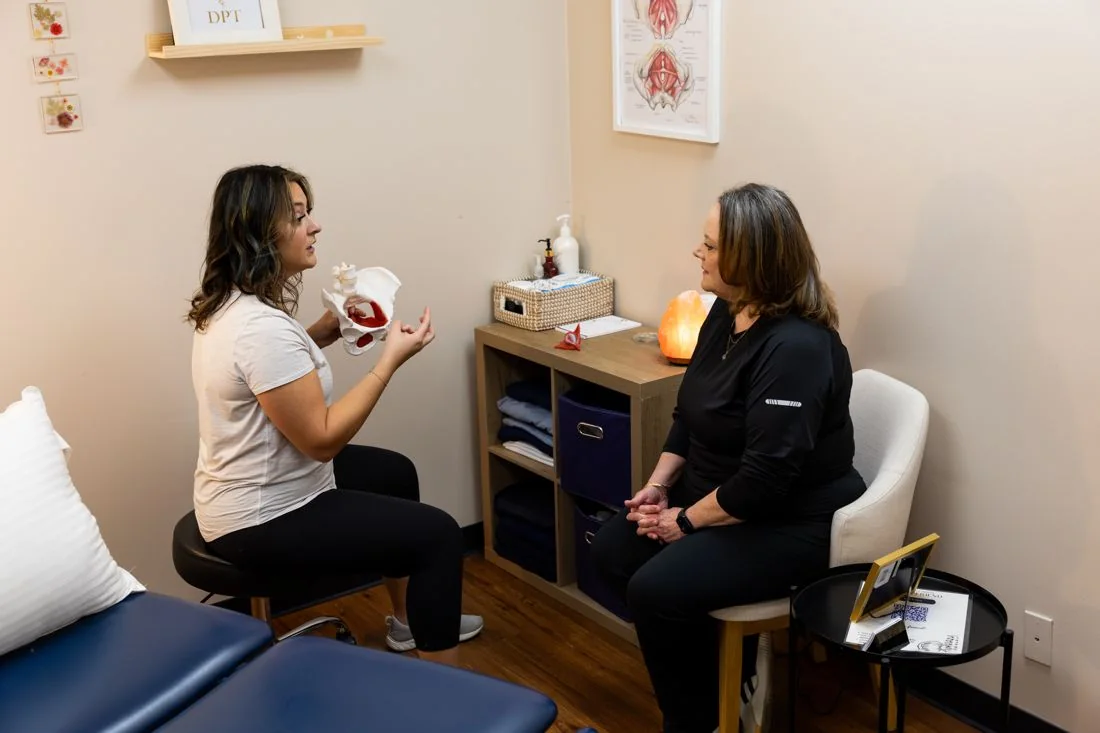
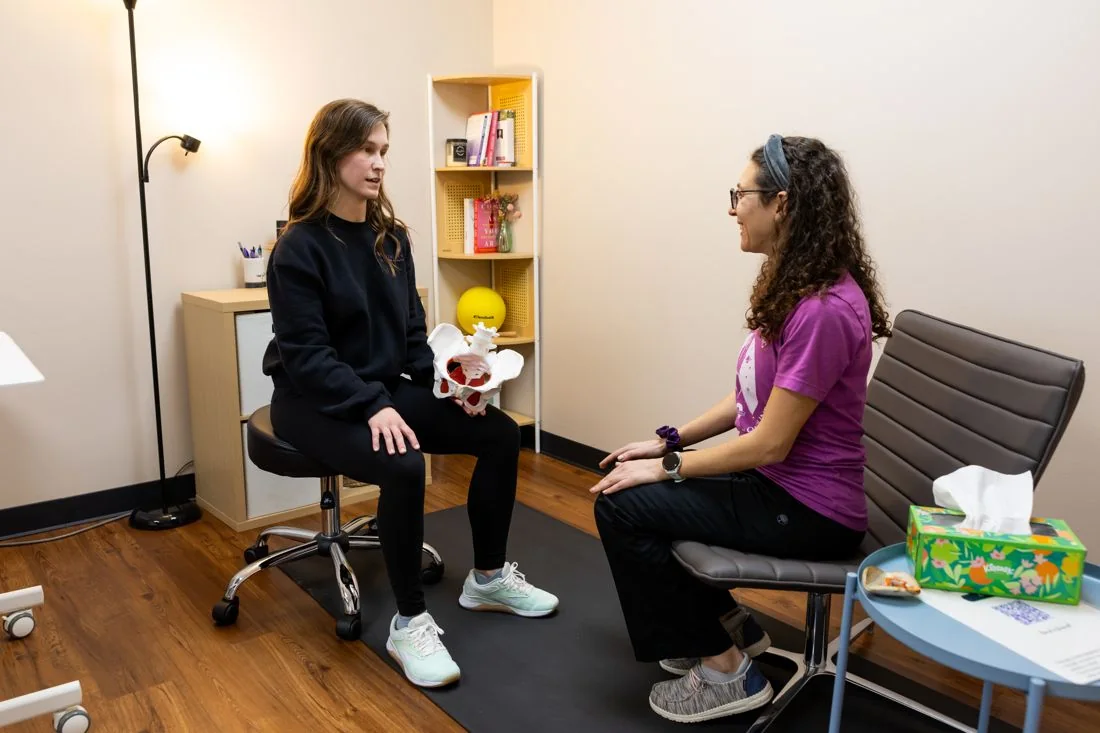
Vitality Pelvic Health therapist assessing core and abdominal separation with a patient
Backed By Real Results

2,000+ women helped

160+ five-star reviews, Vitality Pelvic Health
Common Questions

Before you call, a few honest answers.

01I think I have diastasis recti. My stomach still looks pregnant months or years after giving birth. Can this be fixed without surgery?

Yes, absolutely. That separation of the abdominal muscles responds well to the right kind of physical therapy. The goal isn't just closing the visible gap, it's restoring tension and control in your deep core so it supports your body during real movement, no surgery required.

2,000+ women helped 160+ five-star reviews, Vitality Pelvic Health
02Will doing more crunches or planks help close the gap?

Often the opposite. Traditional core exercises can increase pressure on an already-separated core and make doming worse. The key is learning to engage your deep core muscles, including your transverse abdominis and pelvic floor, in coordination with your breath.

03Is it too late to fix this if my baby is already a few years old?

No. We regularly work with women whose diastasis has been there for years. The retraining process works regardless of how long it's been.

04How is this different from a generic postnatal fitness program?

A generic program isn't built around your specific separation, coordination, or symptoms. A pelvic floor physical therapist assesses your individual function first, then builds your plan around that, not a one-size-fits-all class.

05Do I need a referral first?

No. Oklahoma allows direct access to physical therapy, so you can schedule with us directly.

Ready to rebuild real core strength, not just close a gap?

A short, low-pressure first conversation. Tell us what you're dealing with, and we'll help you figure out the next step.