Feeling like something is falling out, or a constant bowling-ball pressure low in your pelvis, is more common than you'd think, and pelvic floor physical therapy is often the first, non-surgical step.
For women exploring options besides surgery.
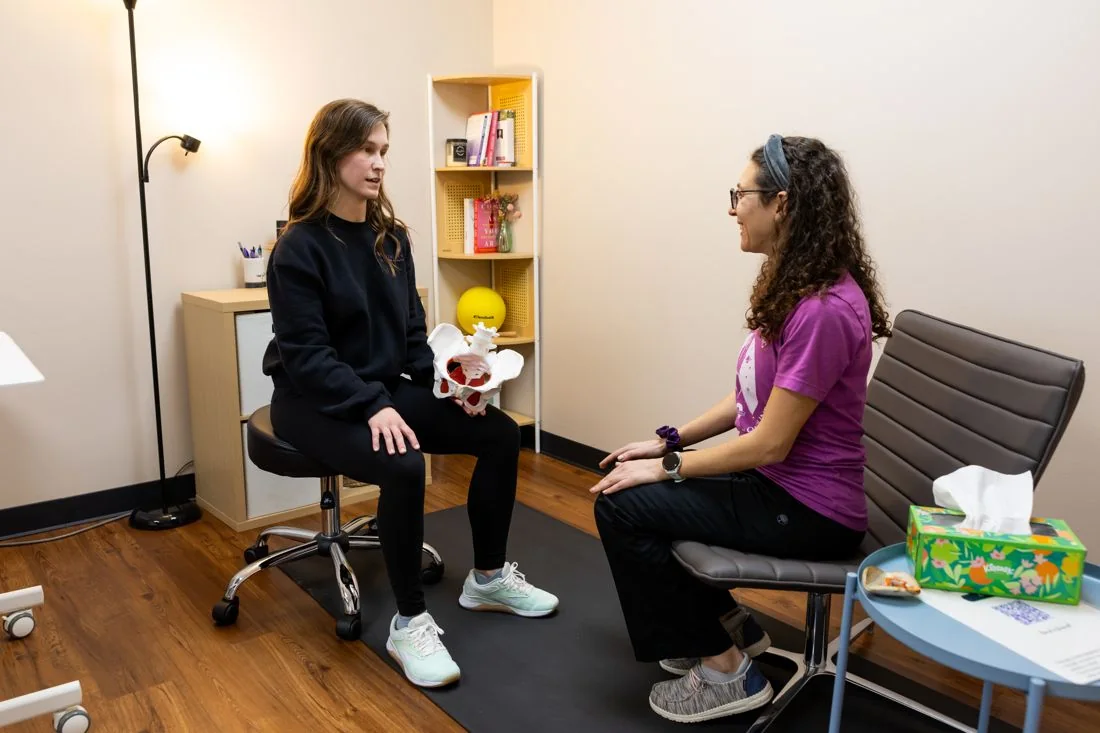
Prolapse symptoms are physical, but the fear behind them is what we hear about most.
“I feel like things are hanging out.”
The heaviness that won't go away“It feels like a bowling ball, all day.”
Constant pressure low in the pelvis“I'm scared to lift my kids or go back to running.”
Fear of making it worsePelvic organ prolapse happens when the pelvic floor can no longer fully support the bladder, uterus, or rectum, often after childbirth, with age, or from years of pressure. It is common, and for many women, conservative pelvic floor therapy is genuinely effective, before surgery is ever discussed.
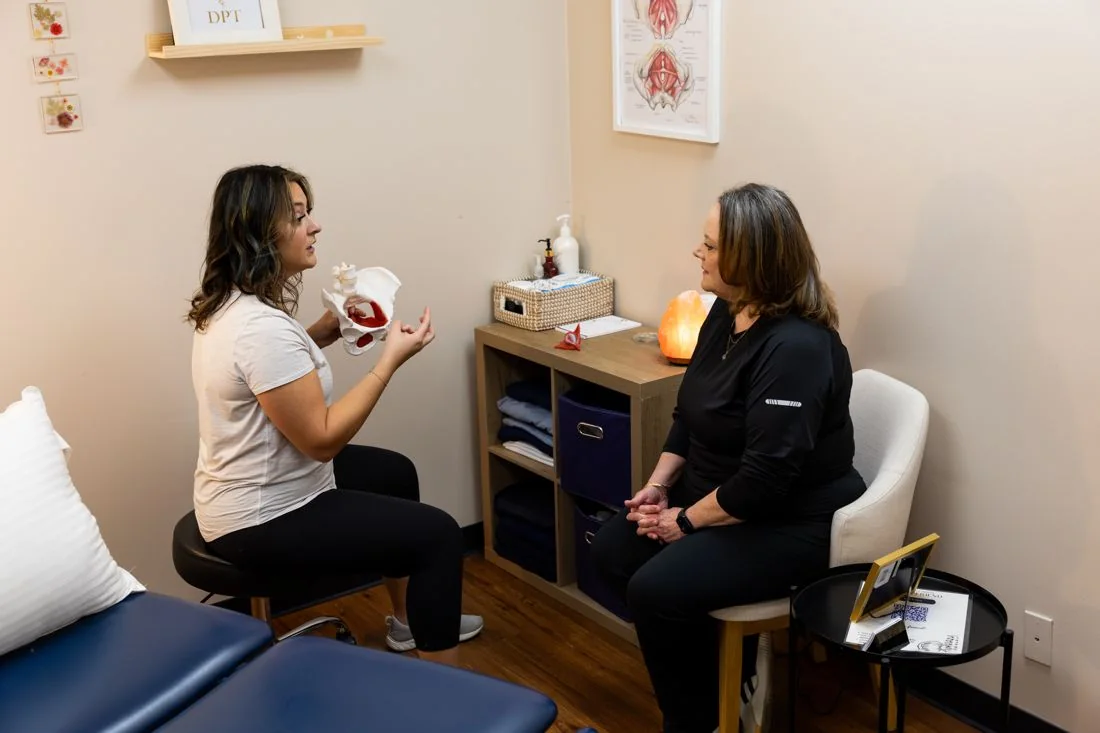
We assess the type and degree of prolapse and explain it in plain language, not just a diagnosis and a pamphlet.
Practical changes to how you lift, breathe, and move that immediately reduce the heaviness.
Coordinated pelvic floor and core training built around your actual symptoms and goals.
You don't need to self-diagnose before you call. This just helps you see we've treated exactly this before.
Postpartum women with new heaviness or pressure
Symptoms that started after a vaginal delivery, sometimes years ago, and have been quietly managed since.Women told surgery is the only option
Considering a surgical repair before conservative care has been tried.Active women afraid to lift or run again
Worried that exercise or lifting their kids will make the prolapse worse.Perimenopausal and postmenopausal women
New or worsening heaviness as estrogen changes affect pelvic floor support.The goal is real support you can feel, not just a list of things to avoid.
“I was suffering from pelvic pain, ovarian cysts and lower back pain consistently for years... my way of living has improved drastically.”
Yes, that's a very common way women describe pelvic organ prolapse, when the pelvic floor can no longer fully support the bladder, uterus, or rectum. It's common, and it's not something you have to just resign yourself to. Physical therapy is often an effective first step, before surgery is ever needed.
For many women, yes. Pelvic floor physical therapy can reduce symptoms significantly, sometimes enough that surgery is no longer necessary, or it can prepare your body for a better surgical outcome if that path is eventually right for you.
In most cases, yes, with the right adjustments. We'll show you how to lift, breathe, and move in ways that reduce pressure on your pelvic floor instead of adding to it.
Only with your full understanding and consent, and only when it's the right next step. We always explain the plan before we begin.
No. Oklahoma allows direct access to physical therapy, so you can schedule with us without a referral.
A short, low-pressure first conversation. Tell us what you're dealing with, and we'll help you figure out the next step.