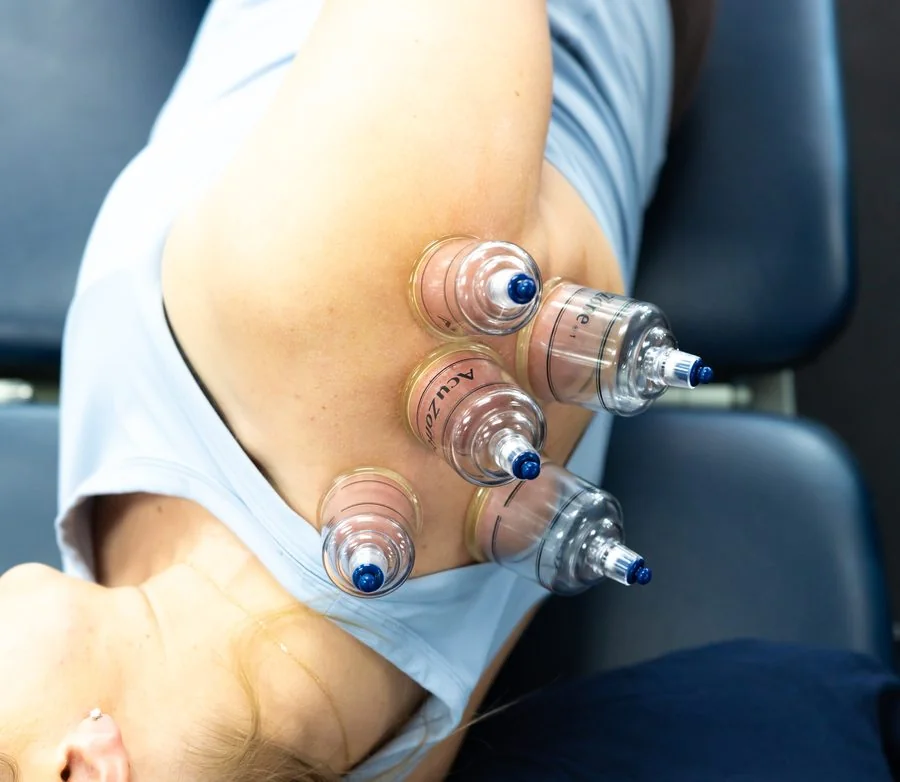
Shoulder pain doesn't mean you stop training, it means something's compensating. We find what's actually failing and rebuild it, so you get back to full strength instead of just working around the pain.
For lifters, overhead athletes, and everyday movers.
Shoulders are one of our most common cases, right behind running injuries. This is the cycle almost everyone describes.
“Every time I get back under a barbell, it flares right back up.”
The lift you keep dodging“I did PT for this once, and it just came back.”
Nothing stays fixed“I don't trust this arm anymore.”
The move you don't trustShoulder pain is rarely a shoulder problem. It's usually your shoulder blade, your upper back, or an old compensation pattern quietly overloading the joint until something gives. We look at the whole chain, not just where it hurts.
We test the shoulder blade, upper back, and core stability that's actually failing, not just the joint that hurts.
Shoulder impingement is rarely a shoulder-only problem. We check the scapula, thoracic spine, and old injury patterns overloading it.
Overhead lifting, a throwing sport, or just sleeping through the night without pain, your plan is built around that goal.
You don't need to self-diagnose before you call. This just helps you see we've treated exactly this before.
Shoulder pain that shows up, or won't go away, with overhead lifts, snatches, or pull-ups, sometimes after a prior surgery that never fully resolved the instability. We rebuild the strength and control your shoulder needs to handle load overhead, not just avoid it.
Pain and limited mobility following a rotator cuff repair, labrum surgery, or other shoulder surgery, especially when it feels like your post-op therapy ended before you'd actually gotten your strength back. We pick up where standard protocols stop.
Shoulder pain that's been labeled arthritis, tendinitis, or just wear and tear, without anyone actually fixing it. Often the real driver is somewhere else entirely, like the shoulder blade or a compensation pattern from an old injury.
Shoulder pain from serving, throwing, or swinging that gets worse the harder you compete. We look at your mechanics and your capacity together, so you can keep playing at full intensity instead of babying it through the season.
Shoulder pain from bench press, pull-ups, or general strength training that's holding your whole program back. We find the actual weak link so you can keep lifting heavy, not just work around the pain.
Rest alone almost never fixes a shoulder injury. It just pauses the symptom until you go back to lifting or throwing and the same weak link overloads again. Here's how we actually break that cycle.
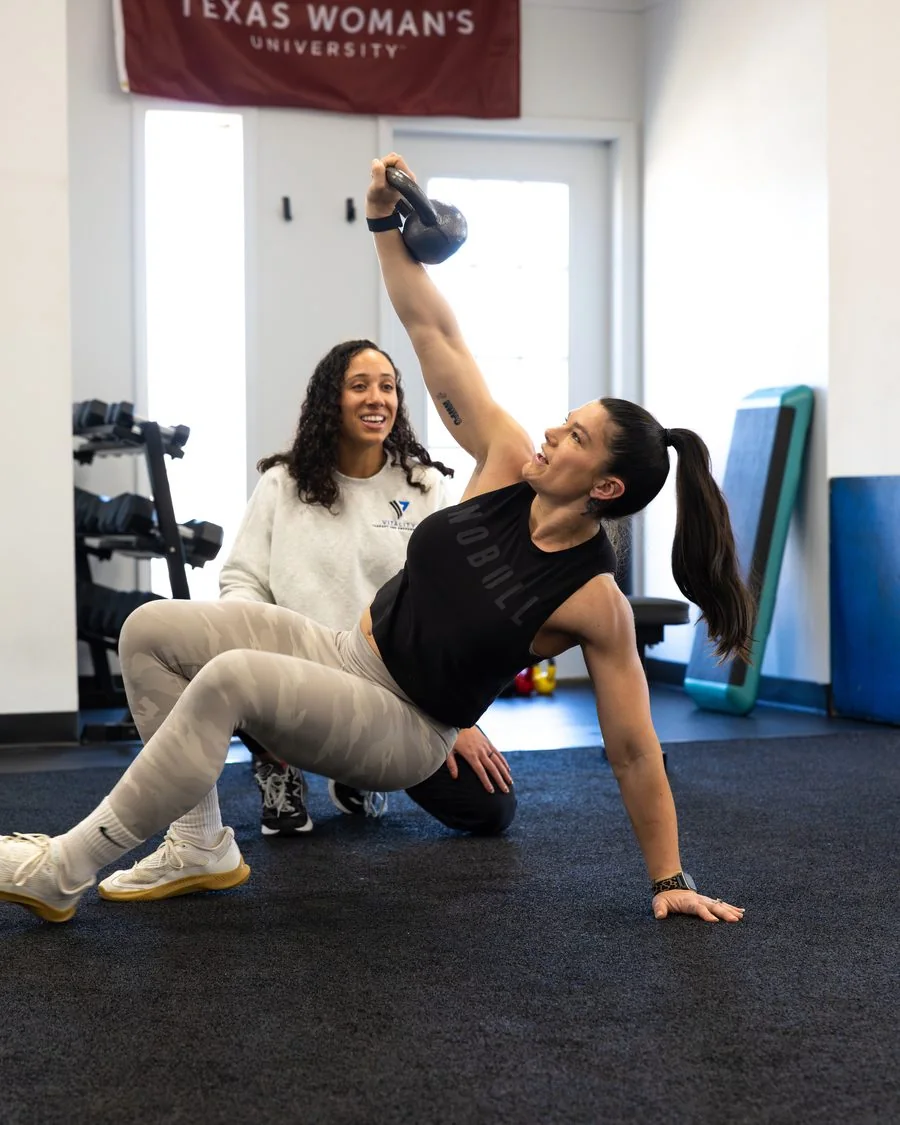
“I started seeing Dr. Anders a few weeks ago for recurring and debilitating shoulder pain from an old injury. With in-office therapeutic treatment and prescribed at-home exercises, I am now completely pain free.”
Yes, shoulder pain from strength training and CrossFit is one of our most common cases. We don't just treat the pain, we find the mechanical cause and build a plan that keeps you lifting rather than telling you to stop entirely.
Usually not entirely. We'll tell you honestly if a short break is needed, but the goal is almost always to modify your training, not eliminate it, while we fix the underlying issue.
Standard post-op protocols often end before full strength returns, especially for athletes and lifters. We pick up from wherever you left off and build toward your actual training goal, not just a baseline range of motion.
No. Oklahoma allows direct access to physical therapy, so you can schedule with us without a physician referral. Many shoulder injuries can be accurately assessed without imaging, and we'll let you know if imaging is warranted after your evaluation.
Rarely. Recurring shoulder pain usually persists because the root cause, often the shoulder blade or upper back, was never identified, just rested until quiet. A thorough evaluation can often uncover what was missed.
A short, low-pressure first conversation. Tell us what you're training for and what keeps interrupting it, and we'll help you figure out the next step.